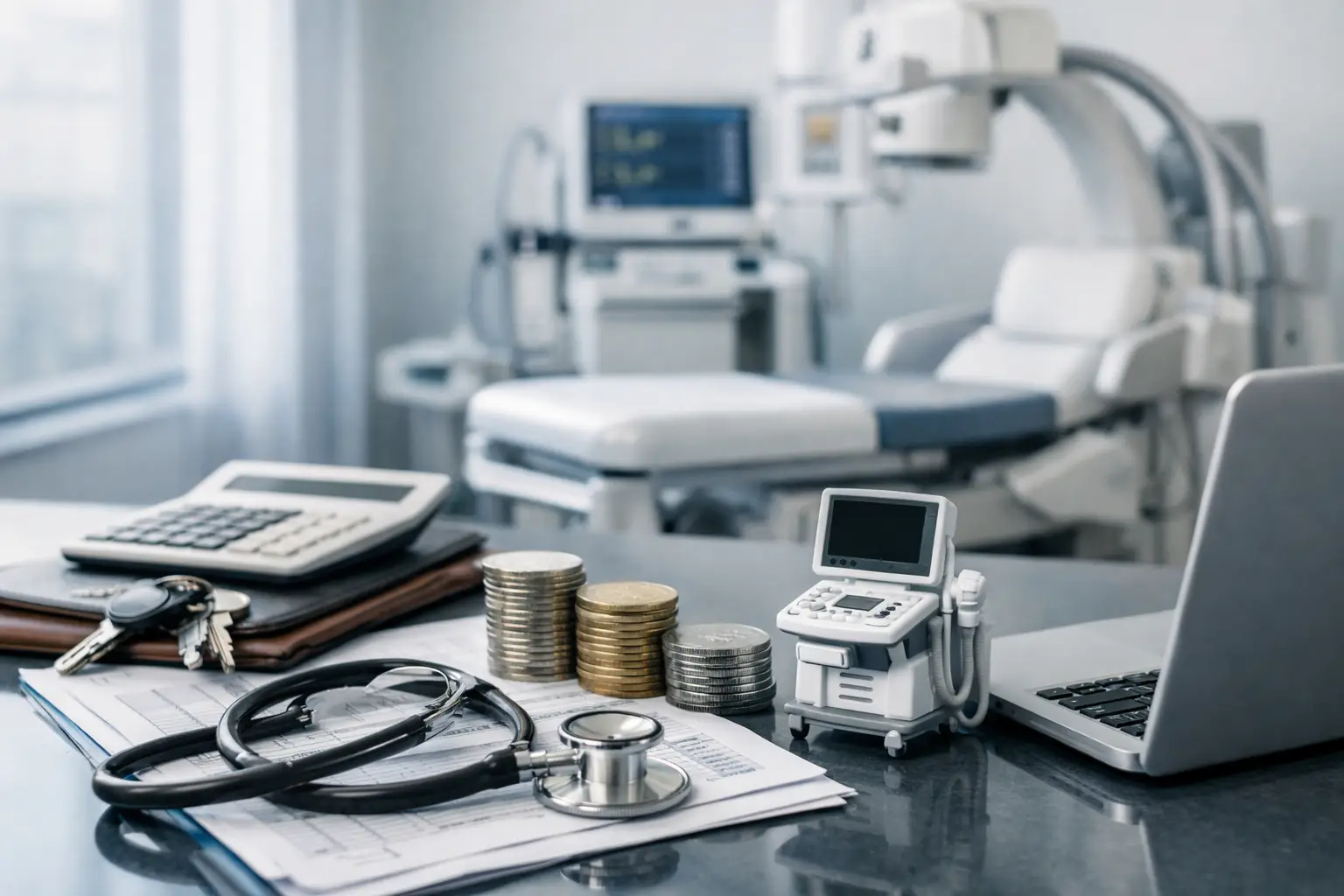
A new imaging system can bring in higher-value procedures. A replacement sterilizer can protect your schedule from costly downtime. But paying cash for either can leave a practice short on payroll, supplies, marketing, or the next opportunity that comes along. Medical equipment financing for practices gives owners a way to acquire the equipment they need while protecting operating capital.
For physicians, dentists, veterinarians, behavioral health operators, specialty clinics, and other healthcare practice owners, the best financing decision is rarely just about finding the lowest advertised rate. It is about matching the equipment, the practice’s cash flow, and the repayment structure so the purchase supports growth instead of creating a monthly strain.
Why practices finance equipment instead of paying cash
Medical equipment is expensive, specialized, and often essential to the patient experience. Whether you are adding digital X-ray, laser equipment, exam tables, monitors, dental chairs, laboratory equipment, ultrasound systems, or practice technology, delaying the purchase may mean delayed revenue or referrals sent elsewhere.
Cash purchases have a place, especially for lower-cost items or practices with substantial reserves. Still, tying up a large amount of cash in one asset can create pressure elsewhere. Financing lets a practice spread the cost over time, keep cash available for staffing and daily expenses, and begin using the equipment while making scheduled payments.
That said, financing is not automatically the right answer for every purchase. A practice should compare the total financing cost with the value of keeping cash on hand. If the equipment is likely to become outdated quickly, a shorter term or lease-style structure may be more practical than a long repayment period. If it has a long useful life and strong resale value, a traditional equipment loan may make more sense.
Medical equipment financing for practices: common options
The right structure depends on your equipment, time in business, revenue, credit profile, and whether the practice needs capital beyond the purchase itself. A financing marketplace can be particularly useful because one lender’s guidelines may not fit your situation while another lender’s program may.
Equipment financing
Equipment financing is built around the asset being purchased. The equipment typically serves as collateral, which can make this option more accessible than an unsecured business loan. Terms are often aligned with the expected useful life of the asset, and the practice makes fixed periodic payments.
This can be a strong fit for established practices buying durable assets with a clear business purpose. A new 3D imaging unit, for example, may allow a dental practice to expand services, while a diagnostic device may help a clinic increase appointment capacity. The goal is for the equipment to contribute enough value that the payment fits naturally into the practice’s operating model.
Equipment leases
A lease can offer another route when flexibility matters more than ownership on day one. Depending on the agreement, the practice may have an option to purchase the equipment at the end of the term, return it, or upgrade to newer technology.
Leasing can be worth considering for technology that changes rapidly or equipment a practice expects to replace within a few years. Review end-of-term terms carefully. The monthly payment may look attractive, but the purchase option, renewal language, and return conditions affect the real cost and flexibility of the agreement.
Term loans for larger projects
Some equipment projects are larger than the equipment invoice alone. A practice opening a second location may need diagnostic equipment, furniture, installation, tenant improvements, and working capital before patient volume reaches its target. A business term loan can provide a broader use of funds than equipment-only financing.
The trade-off is that term-loan underwriting may focus more heavily on revenue, profitability, credit, and overall debt obligations. For the right project, though, combining equipment financing with a term loan can help keep the expansion moving without draining reserves.
Working capital alongside an equipment purchase
The equipment itself is only part of the budget. Delivery, installation, software, training, marketing, hiring, and inventory can all create a cash need before the asset generates revenue. A business line of credit or revenue-based financing may help address those operating costs.
This approach needs discipline. Do not use short-term working capital to cover an equipment payment that the practice cannot reasonably support. Use it to bridge a defined business need, then make sure the projected cash flow can handle all obligations together.
What lenders look at before approving a practice
Lenders want to see that the equipment has a legitimate use and that the practice can repay the financing. Strong personal credit can help, but it is not the only factor. Revenue consistency, time in business, existing debt, bank activity, equipment type, and the size of the request all matter.
A newer practice may still qualify, particularly when the owner has industry experience, the equipment is readily marketable, and the projected use is clear. Practices with challenged credit may have fewer choices or higher costs, but they should not assume financing is unavailable. Good credit or bad credit, the practical move is to present a complete file and compare programs designed for the actual borrower profile.
Prepare these items before applying:
- A recent equipment quote showing the vendor, model, price, and any installation costs
- Recent business bank statements and, when requested, business tax returns or financial statements
- Basic practice details, including time in business, ownership, monthly revenue, and current debt
- A clear explanation of how the equipment will be used and how it supports revenue, capacity, or efficiency
Clean documentation can speed up the review. It also gives lenders more confidence that the request is planned rather than reactive.
How to choose a payment your practice can live with
Do not choose a term based only on the lowest monthly payment. Extending the repayment period can improve near-term cash flow, but it may increase total interest or financing charges. A shorter term usually reduces total cost, yet it demands more from monthly cash flow.
Start with a realistic payment range. Look at average monthly collections, payroll, rent, insurance, merchant processing, current loan payments, and seasonal patterns. Then test the proposed payment against a slower month, not just a record month. If the payment only works when production is perfect, it is probably too aggressive.
It also helps to estimate the equipment’s practical contribution. Will it allow more appointments per day? Reduce outsourced services? Improve treatment acceptance? Add a new service line? The answer does not need to be a perfect forecast, but it should be more concrete than “we think it will help.”
Ask about the full structure before signing: the down payment, term length, payment frequency, early payoff policy, documentation fees, personal guarantee requirements, and whether payments change over time. A clear offer is easier to manage than a low payment with surprises buried in the agreement.
Financing with strong or challenged credit
Prime borrowers may have access to more competitive terms, but a credit score is not the whole story. A practice with temporary credit issues may still have stable revenue, valuable equipment, and a sound use for capital. Those factors can matter to alternative and specialty lenders.
Equipment Business Loans works with more than 75 lending partners and has funded more than $2 billion in business financing. That breadth matters when a practice needs options rather than a single lender’s approval standard. Financing requests from $50,000 to $10 million can be matched to equipment purchases, expansion plans, and related working-capital needs. Applicants with credit scores starting at 550 may have financing paths available, subject to lender review and program requirements.
The fastest path is not always the first offer. A quick pre-approval can give you a useful starting point, but compare the payment, total cost, flexibility, and conditions before you commit. The best structure is the one that lets your practice put the equipment to work while maintaining enough cash to run the business with confidence.
When a needed machine is delaying capacity, care, or growth, waiting for the perfect cash position can cost more than a well-structured financing plan. Get the numbers organized, understand the payment your practice can support, and pursue financing that leaves room for the business you are building.