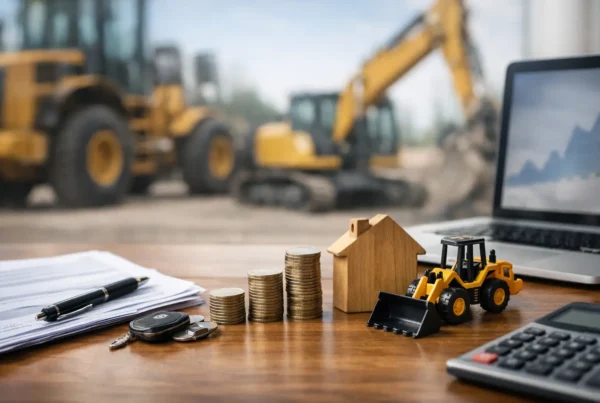
A new excavator can win larger jobs. A refrigerated truck can expand delivery routes. A CNC machine can reduce production bottlenecks. The question is not always whether you need the asset. It is whether an equipment lease versus loan gives your business the better path to put it to work without squeezing operating cash.
For many owners, the answer comes down to three practical issues: how long you expect to use the equipment, how much cash you need to preserve, and whether ownership matters at the end of the term. Both structures can be a smart move. The right one depends on the equipment, your financial position, and the next stage of your business.
Equipment Lease Versus Loan: The Core Difference
An equipment loan provides funds to purchase the equipment. You make scheduled payments, typically including principal and interest, and your business generally owns the asset once the loan is paid off. The equipment often serves as collateral, which can make approval more achievable than unsecured financing.
An equipment lease is a contract to use the equipment for a set period. Depending on the lease structure, you may return it at term end, renew the lease, upgrade to newer equipment, or purchase it under an agreed option. A lease can feel similar to a loan because it involves regular payments, but ownership and end-of-term choices are different.
That difference matters most when the equipment has a long useful life versus a short technology cycle. A construction company buying a durable skid steer may value ownership. A medical office acquiring fast-changing diagnostic technology may prefer the flexibility to update equipment later.
When an Equipment Loan Makes More Sense
A loan is often the stronger choice when the equipment will stay productive long after the financing term ends. Think trailers, heavy machinery, manufacturing equipment, commercial kitchen systems, or durable farm equipment. If you plan to keep the asset for years, ownership lets you continue using it after the final payment without another monthly financing obligation.
Loans also give you more control. You can modify the equipment, sell it when business needs change, or trade it in for another asset. That flexibility has value for operators who know exactly how the equipment fits their long-term plan.
The trade-off is that ownership brings responsibility. Your business carries the risk of depreciation, maintenance costs, and eventual resale value. If the equipment becomes outdated or loses value faster than expected, you are still responsible for the remaining loan balance.
A loan may require a down payment, although terms vary by lender, equipment type, borrower strength, and transaction size. Monthly payments can also be higher than a lease payment because you are financing the full purchase price over a defined period. Still, the long-term economics can favor a loan when you will use the asset well beyond the payoff date.
Loan example: A contractor adding a high-use machine
A sitework contractor needs a $180,000 compact track loader for recurring grading and excavation projects. The owner expects the machine to remain in the fleet for seven or eight years and has technicians who can handle routine maintenance. In this case, financing the purchase with an equipment loan may fit well. The contractor builds equity in a business asset and can keep using it once the loan is paid.
The decision changes if that same contractor expects major emissions, automation, or attachment requirements to change soon. Then a lease may deserve a closer look.
When an Equipment Lease Can Be the Better Fit
Leasing is often about cash flow and flexibility. Rather than tying up capital in a major purchase, a business can preserve cash for payroll, inventory, fuel, marketing, repairs, or an upcoming expansion. That can be especially valuable for a growing company with profitable opportunities that require working capital.
A lease can also be useful for equipment that becomes outdated quickly. Computers, specialized software-driven systems, certain medical devices, telecommunications equipment, and some production technology may need replacement before their physical life is over. A lease with an upgrade or return option can reduce the risk of being stuck with old equipment that no longer supports the business.
Lease payments may be lower than loan payments when the structure accounts for the equipment’s expected residual value. However, lower monthly payments do not automatically mean lower total cost. Review the full agreement, including end-of-term obligations, purchase options, renewal provisions, maintenance requirements, early termination costs, and any return-condition standards.
Lease example: A clinic investing in technology
A growing clinic wants a new imaging system but expects technology to advance significantly within five years. The practice wants the system now, but it does not want to own a machine that may be difficult to resell when a better platform becomes necessary. A lease may allow the clinic to preserve capital while maintaining a clearer route to upgrade later.
The details matter. A lease with a low purchase option can function more like a financed purchase, while a fair-market-value structure may offer more flexibility at the end. Ask what happens after the final scheduled payment before you sign.
Compare Cash Flow, Taxes, and Total Cost
The payment is only one number in the decision. A lease can leave more cash available each month, while a loan can create a long-term owned asset. Neither outcome is automatically better. The right choice depends on what cash can do inside your business over the next 12 to 36 months.
Tax treatment can also influence the structure, but it should not be the only reason to choose one. Depending on the arrangement and current tax rules, lease payments or depreciation and interest expense may be treated differently. Your CPA or tax advisor can explain how a specific transaction may affect your business. Financing decisions should support operations first, then work alongside a tax plan.
Total cost deserves an honest comparison. Request the payment schedule and calculate what you will pay over the full term. With a lease, include any end-of-term purchase amount, renewal cost, return expenses, or upgrade fees. With a loan, consider interest, any down payment, maintenance, insurance, and the likely resale value of the equipment.
A simple question helps: after the agreement ends, what does your business have, and what does it still need? If you own a valuable asset that will keep generating revenue, a loan may produce better long-term value. If you need current equipment without committing to long-term ownership, a lease may be the more efficient business tool.
Approval Factors: More Than Your Credit Score
Lenders and leasing partners typically look at the equipment itself, time in business, revenue, cash flow, industry, requested term, and credit profile. Strong credit can open more options, but it is not the entire story. Revenue consistency, the asset’s resale value, and a well-defined business use can all matter.
Good credit or bad credit, businesses may still have financing paths available. A newer, easily valued asset may support a different structure than highly specialized equipment. A company with uneven seasonal revenue may need payments designed around its operating cycle rather than a standard monthly schedule.
This is where working with a broad financing marketplace can help. Equipment Business Loans works with more than 75 lending partners to match businesses with equipment financing options based on their complete situation, including borrowers with credit scores starting at 550. Instead of forcing every transaction into one lender’s box, the goal is to find terms that fit the asset and the business using it.
Questions to Answer Before You Apply
Before choosing a lease or loan, be ready to explain how the equipment will produce revenue, reduce costs, or increase capacity. Lenders respond well to a clear use case. Know the equipment price, vendor information, estimated delivery date, desired term, and whether you are open to a down payment.
Also decide how long you expect to keep the asset. If you want to own it for the long haul, say so. If preserving cash and upgrading in a few years is the priority, make that clear. This helps identify the financing structure that matches your plan instead of simply presenting the lowest-looking payment.
Do not let a financing decision delay equipment that can move your business forward. Get clear on the asset, the cash flow it needs to support, and the ownership outcome you want. Then seek an instant pre-approval and compare real options with the confidence to choose the one that keeps your operation moving.