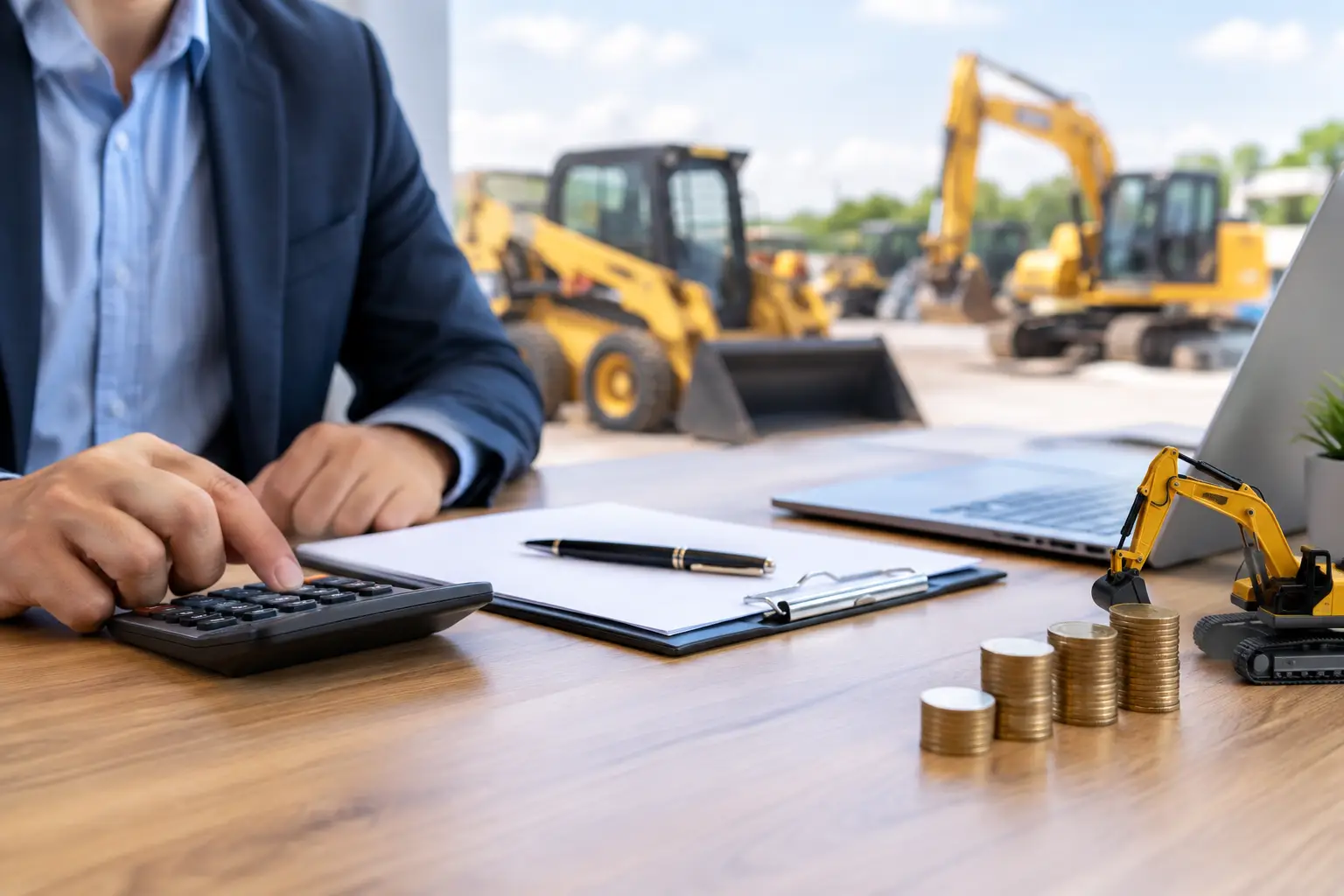
A broken hydraulic press, an outdated diagnostic system, or a missing set of jobsite tools can hold up revenue fast. Knowing how to finance commercial tools lets you replace or add the equipment your operation needs without draining the cash reserved for payroll, materials, fuel, and unexpected expenses.
Commercial tool financing can cover far more than a basic hand-tool purchase. Businesses use it for construction tools, machine-shop equipment, automotive lifts and diagnostic systems, agricultural attachments, commercial kitchen equipment, medical devices, warehouse tools, IT hardware, and specialized service equipment. The right structure depends on the tool, its useful life, your credit profile, and how quickly the purchase will generate revenue.
Start With the Tool’s Business Value
Before comparing financing offers, define what the tool will do for the business. A $75,000 CNC machine that expands capacity or reduces outsourced production has a different financing case than $75,000 in smaller tools used across several crews. Both may be financeable, but the lender will evaluate the request differently.
Be ready to explain the purchase price, vendor or seller, expected delivery date, and intended use. It also helps to show the financial impact in plain terms: more jobs completed per week, fewer labor hours, higher-margin services, reduced downtime, or a new contract you can fulfill once the equipment is in place.
Do not focus only on the monthly payment. A lower payment can look attractive while extending the term beyond the tool’s practical life. The goal is to match repayment to the useful life of the equipment and the cash flow it creates.
How to Finance Commercial Tools With Equipment Financing
Equipment financing is often the most direct option for commercial tools with a clear resale value. The equipment itself generally serves as collateral, which can make the structure more accessible than an unsecured business loan. Once the financing is paid off, your business typically owns the equipment.
This approach can work well for purchases from established vendors, dealers, or manufacturers. Many lenders will finance new and used equipment, although advance rates, rates, and repayment terms may differ. Newer equipment with a strong secondary market is generally easier to finance than highly specialized, older, or custom-built tools.
A typical equipment financing request includes an invoice or quote, basic business information, recent bank statements, and financial documents for larger transactions. Strong revenue and time in business can improve terms, but good credit or bad credit does not have to end the conversation. Some commercial financing programs consider applicants with credit scores starting at 550, particularly when the equipment, revenue, and overall deal structure support the request.
For many operators, equipment financing protects working capital. Instead of paying the full invoice upfront, you make scheduled payments while the tools are being used to produce revenue.
Consider a Lease When Flexibility Matters
A commercial equipment lease may be a better fit when the tools are likely to be upgraded, replaced, or used for a defined period. This is common with technology, medical equipment, certain diagnostic platforms, and equipment that can become outdated before a long loan term is complete.
Leases are not all the same. Some are structured for ownership at the end of the term, while others emphasize lower payments and return, renewal, or purchase options. Ask directly whether the agreement is a finance lease or an operating-style lease, what your end-of-term options are, and whether there are return conditions.
A lease can improve monthly cash flow, but it is not automatically the lowest-cost choice. If you expect to keep a durable tool for years, a loan or ownership-focused lease may be more economical. If staying current with newer equipment matters more than owning an older asset, leasing may offer more flexibility.
Use Working Capital for Tool Bundles and Related Costs
Not every commercial tool purchase fits neatly into one invoice. A contractor opening another location may need power tools, safety equipment, shelving, a service vehicle wrap, startup inventory, and installation work. A manufacturer may need tooling, software, maintenance, and material purchases at the same time.
In those cases, a term loan, business line of credit, revenue-based financing, or asset-based financing may make more sense than equipment financing alone. These products can provide broader use-of-funds flexibility, allowing a business to cover the costs surrounding the equipment purchase instead of leaving a cash gap after the tools arrive.
A term loan is often useful for a defined purchase and fixed repayment schedule. A line of credit can be helpful for ongoing purchases, seasonal needs, or staggered vendor payments. Revenue-based financing may suit a business with consistent sales that wants payments tied more closely to revenue activity. Asset-based financing can be an option for businesses with qualifying receivables, inventory, or other collateral.
The trade-off is that flexible working-capital products may carry different repayment structures and costs than equipment-specific financing. Compare the total repayment, payment frequency, collateral requirements, and whether early payoff saves money.
Prepare a Cleaner Financing Application
Fast approvals usually begin with complete information. Lenders want to understand whether the business can support the payment and whether the tools are a reasonable asset for the requested financing amount.
For requests in the $50,000 to $10 million range, prepare your equipment quote or invoice, recent business bank statements, business tax returns or financial statements when requested, and basic ownership information. If the purchase is used equipment, include the year, make, model, serial number when available, condition, and seller details. The more clearly the asset can be identified, the easier it is for a lender to evaluate.
Be honest about credit issues, recent revenue changes, existing debt, and the purpose of the purchase. A challenged credit profile may narrow the available options, but surprises during underwriting can slow a deal or change the terms late in the process. Clear information gives a financing partner the best chance to place your request with lenders that fit your actual situation.
A down payment can also change the deal. It may lower the payment, improve approval odds, or help finance older and specialized equipment. Still, putting too much cash down can defeat the purpose if it leaves the business short on operating capital. Keep enough liquidity to run the operation after the purchase closes.
Compare More Than the Interest Rate
The cheapest-looking rate is not always the best financing offer. Look at the full structure: term length, payment amount and frequency, total repayment, down payment, collateral, personal guarantee requirements, documentation fees, prepayment terms, and funding timeline.
Payment frequency deserves special attention. Weekly or daily payments can place pressure on businesses that bill customers monthly or wait 30 to 60 days for receivables. Monthly payments may align better with your cash cycle, even if another option advertises a lower rate.
Also consider how quickly you need the tools. A long underwriting process can cost more than a slightly higher financing rate if it causes you to lose a contract, delay a launch, or keep crews idle. The right deal balances cost, speed, ownership goals, and cash flow.
Working with a marketplace can help when your profile does not fit one lender’s box. Equipment Business Loans works with more than 75 lending partners and has funded more than $2 billion, helping businesses compare financing structures rather than relying on a single lender’s credit policy.
Avoid These Common Financing Mistakes
The most costly mistake is financing based only on what is available instead of what the business can comfortably repay. Build the projected payment into your monthly operating budget and test it against a slower month, not just your best month.
Another common mistake is financing the wrong package. Buy the tools required to complete profitable work, but do not overbuy features, capacity, or add-ons that will sit unused. On the other hand, buying underpowered equipment to save upfront can create maintenance costs, delays, and another purchase sooner than expected.
Finally, do not wait until a critical tool fails before exploring options. Applying while the business is stable gives you more time to compare offers and negotiate the purchase. Financing should support a planned growth decision whenever possible, not become an emergency response.
The best commercial tool financing is the one that keeps your crews productive, protects the cash needed to operate, and gives the new equipment time to earn its cost back. Start with the asset, the revenue opportunity, and a payment your business can carry confidently, then seek pre-approval before the purchase becomes urgent.