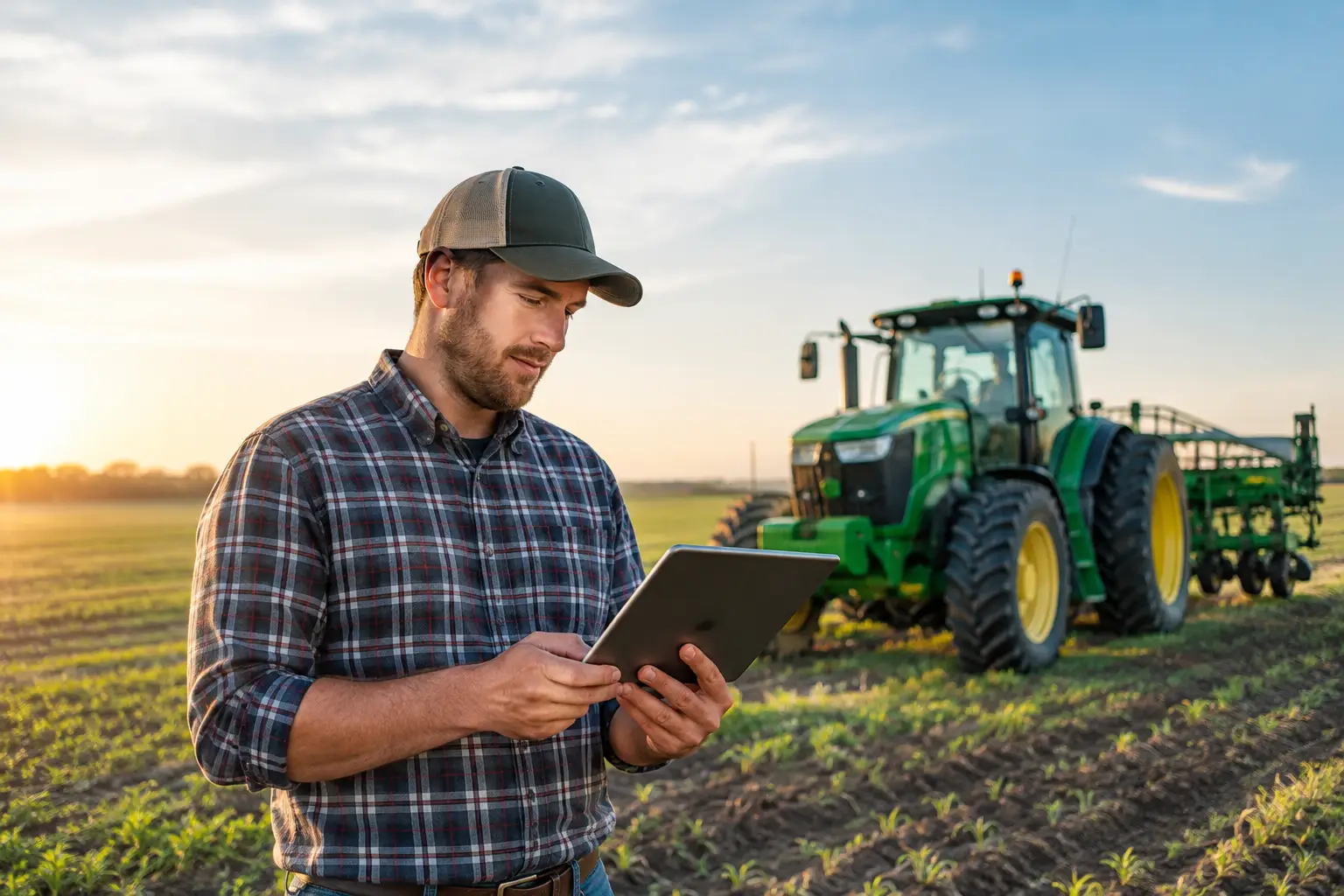
A combine that misses harvest, a tractor that cannot handle the acreage, or an irrigation system that fails during a dry stretch can cost far more than the equipment payment. Agricultural equipment financing for farmers gives producers a way to acquire the machinery they need while keeping operating cash available for seed, fuel, labor, repairs, and land expenses.
The right financing is not simply the option with the lowest advertised payment. It is the structure that fits the equipment’s useful life, your farm’s revenue cycle, and the amount of cash you need to protect during the season. Good credit or bad credit, the goal is the same: put productive equipment to work without putting unnecessary pressure on the business.
When Financing Makes More Sense Than Paying Cash
Cash purchases have a clear advantage: no monthly obligation and no financing cost. But tying up a large amount of capital in one machine can create a problem when unexpected expenses arrive. A planter, skid steer, grain trailer, baler, sprayer, or livestock handling system may be essential, yet a farm still needs liquidity to operate.
Financing lets you spread the purchase cost over time while the equipment produces value. If a newer machine reduces downtime, lowers fuel use, expands acreage capacity, or allows work to be completed in a tighter weather window, the improvement may justify a payment. That calculation matters more than whether the equipment is brand-new or used.
For example, a farm replacing an unreliable combine may avoid lost crop quality, costly rental equipment, and overtime labor. A dairy operation purchasing updated feeding equipment may reduce daily labor hours and improve consistency. The best decision comes from comparing the expected business benefit against the full cost of ownership, including payment, insurance, maintenance, and taxes.
Agricultural Equipment Financing for Farmers: Common Options
Farm equipment is not financed through one standard product. Lenders may look at the asset, the farm’s revenue, time in business, available down payment, credit profile, and whether the equipment is new or used. The right option depends on the transaction.
Equipment financing
Equipment financing is often a direct fit when the primary need is a specific machine or package of machinery. The equipment typically serves as collateral, which can make this option more accessible than unsecured borrowing. Terms are commonly structured around the expected useful life of the asset, helping keep payments manageable.
This can work for tractors, combines, harvesters, attachments, trailers, irrigation equipment, processing equipment, refrigeration systems, and shop machinery. A down payment may be required, particularly for older equipment or borrowers with challenged credit, but requirements vary by lender and deal strength.
Equipment leasing
A lease can be useful when preserving cash is the priority or when equipment may need to be upgraded regularly. Payment structures can be lower than a traditional purchase loan in some cases, depending on the lease type and end-of-term terms. However, ownership may not transfer automatically, so farmers should understand the buyout amount, return conditions, and total cost before signing.
Leasing can make sense for technology-heavy equipment, specialized machinery with an expected replacement cycle, or operations that prefer to keep capital focused on production. It may be less attractive if you plan to keep the equipment for many years and want to build long-term equity in the asset.
Term loans and working capital
Sometimes the equipment purchase is only part of the need. A farm may need to buy machinery while also covering installation, repairs, inventory, seasonal payroll, or operating expenses. A business term loan can provide a broader use of funds than equipment-only financing.
Working capital should not be used carelessly to stretch beyond what the operation can repay. Still, it can prevent an equipment acquisition from draining the cash reserve needed to run the farm. The key is matching the repayment schedule to realistic revenue, not a best-case production year.
Asset-based financing
Established farms with valuable equipment, receivables, inventory, or other business assets may qualify for asset-based financing. This structure can be useful when an operation has collateral but wants more flexibility than a single equipment note provides. It is often considered for larger funding needs, acquisitions, expansion projects, or refinancing higher-cost obligations.
Build the Request Around Your Farm’s Real Numbers
Lenders want to see more than the price of the tractor or combine. They need a clear picture of how the farm operates and how the payment will be supported. Preparation can improve both speed and financing options.
Have the equipment quote available, including make, model, year, hours or condition for used equipment, seller information, and any delivery or installation costs. Be ready to explain what the equipment will do for the operation. Will it replace an aging asset, increase capacity, reduce outsourcing costs, or support a new revenue stream?
Financial documentation also matters. Depending on the lender and funding amount, that may include recent business bank statements, tax returns, profit-and-loss statements, balance sheets, debt schedules, and identification. Newer operations may need to provide more context around contracts, customer demand, experience, or projected revenue.
Do not overstate the numbers. Agriculture has weather risk, commodity-price swings, and seasonal cash flow. A lender that understands the full picture can often structure a more realistic deal than one relying on a single credit score or a generic application.
Payment Timing Can Matter as Much as Rate
A low rate is valuable, but an affordable payment at the wrong time can still strain the operation. Farms often have uneven revenue patterns, with major expenses occurring months before harvest or sale proceeds arrive. Ask whether payment timing can be aligned with your cash cycle through seasonal, quarterly, semiannual, or annual structures where available.
Not every lender offers these options, and they may affect pricing or underwriting. But the question is worth asking. A monthly payment may be perfectly workable for a dairy, greenhouse, or operation with recurring sales. A grain farm with concentrated seasonal revenue may need a different structure.
Also consider the term length. A longer term can lower the payment and preserve cash flow, but it may increase total financing cost. A shorter term can reduce interest expense but create a payment that leaves too little margin for repairs, inputs, or a weak season. The right answer depends on the asset’s productive life and the farm’s cash reserves.
What Farmers Should Watch Before Signing
Look beyond the payment amount. Confirm whether the rate is fixed or variable, whether a prepayment penalty applies, and whether there are documentation, origination, insurance, or end-of-term fees. For leases, verify whether the agreement ends with a $1 buyout, a fixed purchase option, a fair-market-value option, or equipment return requirements.
Used equipment deserves extra attention. Older machinery can be an excellent value, but lenders may limit term lengths, require a larger down payment, or place restrictions on age and hours. Be realistic about repair costs and parts availability. A lower purchase price does not always mean a lower operating cost.
Avoid financing more than the business can comfortably carry just because approval is available. Additional attachments, warranties, and upgrades may be worthwhile when they improve output or reliability. They are less worthwhile when they raise the payment without a clear return.
Get More Than One Financing Path
A single lender may have a narrow credit box, fixed equipment-age rules, or limited flexibility on repayment. That does not mean your farm cannot qualify. It means the financing structure may need to change.
Working with a marketplace that can review multiple lending options helps farmers compare approvals based on the details that actually affect the operation: down payment, term, monthly or seasonal payment, collateral requirements, total cost, and speed to funding. Equipment Business Loans connects applicants with more than 75 lending partners and has funded over $2 billion, helping businesses pursue equipment financing and broader capital needs from $50,000 to $10 million.
Farmers with strong credit may have access to more competitive structures, but challenged credit does not automatically end the conversation. Credit scores of 550 or higher may still qualify for options when revenue, collateral, time in business, and equipment value support the request.
The machine you need should help the farm move forward, not create a payment that holds it back. Start with the equipment’s return, protect the cash needed to operate, and seek a financing structure built around how your farm actually earns revenue.